SPEED RUN NOTES
Xcw speed-run notes
Win condition
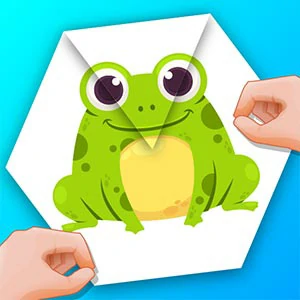
Complete the hidden picture by folding every edge in an order where each crease lands a fragment where it belongs. The level clears only when the final image lines up with nothing buried under the wrong flap — one misplaced fold blocks the win even if every other flap is correct.
Fastest line
Fold the edge whose exposed fragment already matches a visible outline, and resolve the most certain creases before the ambiguous ones. When two edges both look foldable, take the one that covers a detail you no longer need, so the fragile parts of the picture stay visible until the end.
Input language
Click an exposed foldable edge on desktop, or tap it on touch; each input is a single fold with no drag or keyboard controls. If an edge will not fold, treat the refusal as proof that another crease has to happen first.
Opening play
Before the first fold, pick the one fragment you can place with confidence — a corner, an eye, a distinct color patch — and fold toward it. Do not touch the flap that covers your best reference detail until the surrounding edges are already folded into place.
Score signals
You are on the right track when each fold brings a new piece of the image together along a clean, matching seam. A warning sign is a fold that hides the exact color or outline you were using as your anchor, or a crease that produces a blank overlap — that fold belongs later in the sequence.
Recovery
Undo back to the last fold that still showed a clean seam and change only that one choice. Re-find the anchor fragment you buried too early and route the remaining folds around it, testing one edge at a time instead of restarting the whole level.
Player questions: Paper Fold
How do I control Paper Fold?
Click or tap an exposed foldable edge for each single fold; there are no keyboard or drag controls. An edge that refuses to move is the game telling you a different crease must come first.
Why does my picture finish with a covered fragment?
Because folding order decides which flap ends on top. If a detail you still needed got buried, undo to the fold that covered it and take a less certain edge first, keeping your anchor fragment visible until the end.