Hold the horde at the threshold
The quiet gap is for restocking and moving
Survival task
The round objective is to stop the incoming swarm before it reaches your position.
Choose the engagement
Start by prioritizing the closest fast target and keep enough distance to see the next arrival. Use quiet moments to reload or reset aim, then move attention before an enemy reaches the space where aiming and retreating become difficult.
Movement and aim
Use aim with pointer movement and fire by click; touch layouts provide an aiming area and buttons.
The first exchange
For the opening pass, usually address the enemy that can reach or interrupt you soonest, then reassess distance and ammunition before selecting the next target.
Threats to track
During play, keep this objective in view: Stop the incoming swarm before it reaches your position. Use the stated control once, then prioritize the closest fast target and keep enough distance to see the next arrival.
Reset the fight
If progress stalls, reload the frame before changing anything else. Most stalls clear on a refresh, and the run restarts from the same wave.
Nearest threats and between-wave breaks
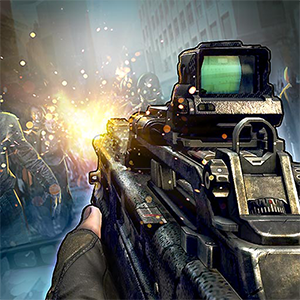
How do I control Zombie Shooter 3D?
A useful answer for this round: aim with pointer movement and fire by click; touch layouts provide an aiming area and buttons.
Which target should I shoot first?
The practical fix is: usually address the enemy that can reach or interrupt you soonest, then reassess distance and ammunition before selecting the next target.
Aim is not a separate mode you switch into. The pointer position is the crosshair, so where you rest the cursor is where the shot goes, and the click only releases it. That means the useful habit is to keep the pointer parked where the next arrival will cross rather than chasing the target you already see. On a touch layout the same idea applies to the aiming area: leave a thumb resting in open screen, not on the target, so the correction you make is tiny instead of a long sweep across the display.
Plan the wave in three parts. The opening seconds are for picking the closest fast target, because it is the one that reaches you first and the one that decides whether the rest of the wave is manageable. The middle is for holding the distance that keeps several arrivals visible at once, and the quiet gap in it is when you reload or reset the aim. The last part is for the slow stragglers, which are the cheapest targets in the round and the ones worth finishing once the pressure has dropped.
Two mistakes end runs earlier than anything else. The first is firing at the target that is easiest to see instead of the one that can reach you soonest, which lets a quick enemy close the space while you are busy elsewhere. The second is letting an enemy into the distance where aiming and retreating stop being comfortable. The correction for both is the same one habit: name the nearest threat out loud, deal with it, then look up and re-read the field before choosing the next one.
Distance is the resource you are actually spending, not ammunition. The page notes that you should keep enough room to see the next arrival, and that is worth treating as a hard floor rather than a preference. When the gap between you and the swarm shrinks, your aiming corrections get longer and slower, and the round turns into a scramble. Pull back while the field is still readable, and the same targets become easy again.
The round starts from the same wave after a reload, which makes the reload a legitimate tool rather than a defeat. If the opening exchange went wrong and the swarm is already inside your comfortable range, refreshing costs you the seconds you just spent and nothing else. Reach for it when the position is clearly lost, and keep playing when it is merely awkward, since a recovered wave is still a live round.
Read this one against the slower action titles on the shelf. It suits a visitor who likes a continuous threat and does not mind that the pressure never fully stops, because the objective is literally to hold the line. It is a poor fit for anyone who wants a pause between attempts or a turn-based breather. On a touch screen the buttons give you the same two actions, so the choice between layouts is only about which aiming style you find steadier under pressure.