SPEED RUN NOTES
Xcw speed-run notes
Win condition
Travel the required distance and reach the finish or score target without hitting another vehicle. The run ends at the first collision, so a clean line matters more than raw forward speed.
Fastest line
Scan several vehicles ahead and move into a lane that stays open, before you reach the slower traffic. Take one early change, settle into the lane, and reassess — repeated weaving burns the space you need for emergency corrections.
Input language
Steer horizontally with the keys, mouse drag, or touch while the vehicle drives forward automatically. Your only job is lateral placement, so keep each steering input small and deliberate instead of swinging between lanes.
Opening play
In the first seconds, pick the lane with the clearest continuation several cars ahead and move into it once. Hold that line and read the traffic instead of switching the moment a gap appears closer to you.
Score signals
You are driving well when you change lanes rarely and always with room to spare on both sides. You are close to a crash when you find yourself weaving twice in a row or passing with a narrow gap — back off one lane and rebuild space.
Recovery
If traffic tightens around you, slow your decisions to one lane at a time. Pick a lane with a visible continuation, settle into it, and resist changing again the moment another car appears — a short wait behind traffic opens a wider pass.
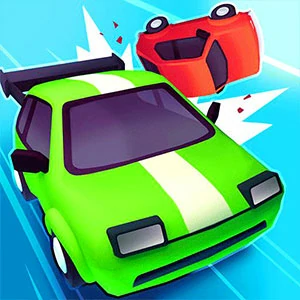
Player questions: Road Crash
How do I control Road Crash?
Steer horizontally with the keys, mouse drag, or touch while the vehicle moves forward on its own. Pick a lane, settle into it, and change only when you can see the road continuing ahead.
Why do constant lane changes slow me down?
Each change spends lateral space and attention. A stable lane with a clear continuation gives you more time to read traffic, so a single early move usually beats constant weaving.